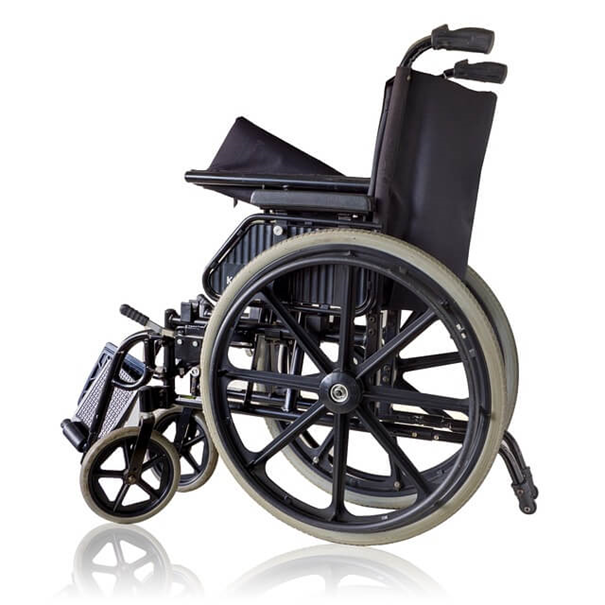
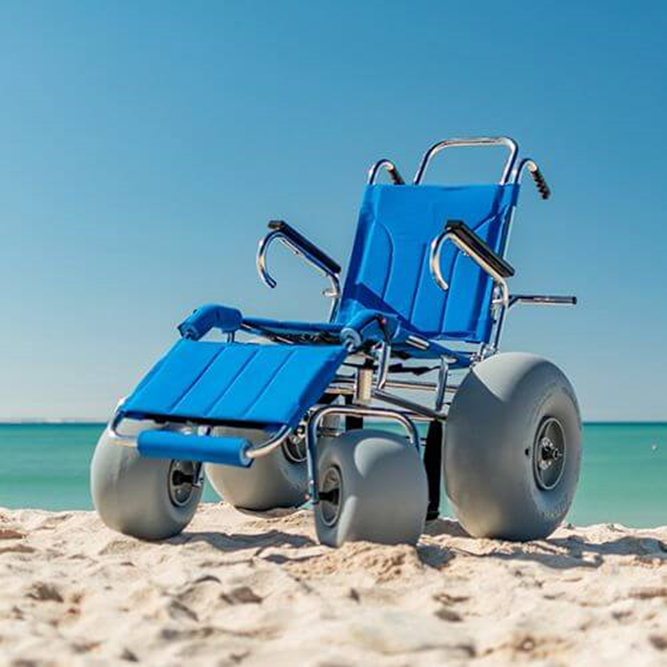
Yes, many cruises are wheelchair accessible, offering features like accessible cabins, elevators, ramps, and wheelchair-friendly dining and entertainment. Accessibility varies by ship and line, so check for accessible cabins, port accommodations, and mobility aid support before booking.
Cruising should be fun and stress free for everyone, including those with mobility issues. Cruises offer a way to visit multiple destinations while being in the comfort of a floating resort – but are they really wheelchair accessible? The good news is many modern cruise lines have made big strides in making their ships inclusive and accessible for travelers with different mobility needs.
In this post, I’ll go into what to expect when cruising with a wheelchair, from accessible cabins and onboard facilities to excursions at ports of call. Whether you’re a seasoned traveler or considering your first cruise, this guide will help you navigate the world of wheelchair accessible cruising so your vacation is as smooth as the ocean breeze.
First, let’s look in more detail of the question of whether you can go on a cruise in a wheelchair.
Can you go on a cruise in a wheelchair?
Yes, you can go on a cruise in a wheelchair, as most modern cruise ships are designed with accessibility in mind. Here’s a detailed overview of what to expect:
1. Onboard Accessibility
Cabins – Many ships offer wheelchair-accessible cabins with features like wider doorways, roll-in showers, grab bars, and lowered furniture for ease of use. These cabins are spacious enough to move around.
Public areas – Ships usually have ramps and elevators, making it easy to access dining rooms, theaters, pools, and other common areas.
Dining and activities – Dining venues and entertainment spaces are generally accessible. Some ships also offer adaptive equipment for activities like pool lifts.
2. Shore Excursions
Accessibility at ports varies. Some ports use tender boats, which may not accommodate wheelchairs. Others have accessible ramps or gangways.
Cruise lines often offer wheelchair-friendly excursions, but these can be limited and may require advance booking.
3. Mobility Aid Support
Many cruise lines allow you to bring your wheelchair, scooter, or other mobility aids.
Rentals for wheelchairs, scooters, or specialized equipment may also be available.
4. Staff Assistance
Crew members are trained to assist passengers with mobility challenges. However, for certain activities or emergencies, you may need an able-bodied companion.
5. Things to Plan
Pre-book Accessible Cabins: These are limited and in high demand.
Research Accessibility Policies: Each cruise line has its own set of accommodations and guidelines.
Plan Excursions Carefully: Look for shore activities labeled as accessible and confirm details with the cruise line.
Cruise Lines Known for Accessibility
Royal Caribbean, Disney, Holland America, Celebrity, and Carnival are some of the top-rated lines for wheelchair users.
By planning ahead and communicating your needs with the cruise line, you can enjoy a comfortable and enjoyable cruise experience in a wheelchair.
Do cruise ships allow mobility scooters?
Yes, most cruise ships allow mobility scooters, but there are important details to consider:
General Policies
- Permitted Models: Mobility scooters are generally allowed as long as they meet size and weight restrictions, which vary by cruise line. Typically, they must fit through a standard cabin door (often 32 inches wide).
- Accessible Cabins: It’s recommended to book an accessible cabin, as these offer more space to store and maneuver a scooter.
- Battery Requirements: Most cruise lines require scooters to have non-spillable (gel or dry cell) batteries.
Onboard Use
- Public Areas: Scooters are permitted in most public spaces, such as dining rooms, theaters, and decks. Elevators are usually large enough to accommodate them.
- Charging Stations: Accessible cabins often have outlets for charging, but some ships provide designated scooter charging stations.
Shore Excursions
- Accessibility on shore depends on the port. Tender ports may be challenging for scooters, but accessible excursions are often available at larger ports with ramps or flat terrain.
Rental Options
- If you don’t own a scooter, many cruise lines offer rentals through third-party providers. These can be delivered directly to your cabin.
Top Cruise Lines for Scooter Accessibility
- Royal Caribbean, Disney, Holland America, Celebrity, and Carnival are well-known for accommodating mobility scooters.
It’s crucial to check with the cruise line about their specific policies and inform them in advance about your scooter needs.
Do P&O have disabled cabins?
Yes, P&O Cruises offers disabled-access cabins on their ships, designed to accommodate passengers with mobility challenges. These cabins provide enhanced accessibility and comfort, with features such as:
Features of P&O Disabled Cabins
- Spacious Design:
- Wider doorways for wheelchair access.
- Extra space to maneuver mobility aids comfortably.
- Bathroom Accessibility:
- Roll-in showers with grab rails.
- Shower seats and low-level shower controls.
- Emergency pull cords.
- Room Adjustments:
- Lowered furniture (e.g., beds, light switches, and counters).
- Grab rails near the bed and in the bathroom.
- Easy-to-use controls for lighting and air conditioning.
- Safety and Convenience:
- Emergency call systems within reach.
- Accessible balcony cabins on some ships.
Booking Disabled Cabins
- Pre-Booking is Essential: These cabins are limited in number and high in demand.
- Notify P&O: Inform the cruise line of your specific needs when booking so they can make appropriate arrangements.
- Mobility Aid Storage: P&O allows storage of mobility aids in your cabin, and most accessible cabins can accommodate mobility scooters or wheelchairs.
Additional Assistance
- Staff assistance is available for embarkation, disembarkation, and emergencies.
- P&O also accommodates dietary needs and offers accessible shore excursions at many ports.
If you’re planning to travel with P&O, it’s best to contact their accessibility team directly to ensure your needs are fully met.

Are MSC cruises wheelchair friendly?
Yes, MSC Cruises is wheelchair-friendly and provides accommodations for passengers with mobility challenges. Here’s what you can expect:
Accessible Cabins
- Features: MSC ships offer specially designed accessible cabins with:
- Wider doorways
- Spacious layouts for easy wheelchair maneuvering
- Roll-in showers with grab bars and seats
- Lowered sinks, desks, and mirrors
- Availability: These cabins are limited, so early booking is recommended.
Public Areas
- Elevators and Ramps: Elevators are wheelchair accessible, and ramps are provided in public areas for easy navigation.
- Accessible Venues: Dining rooms, theaters, and lounges are designed to accommodate wheelchairs.
Shore Excursions
- MSC offers a selection of wheelchair-accessible excursions, but availability depends on the port. Some ports require tender boats, which may not be wheelchair-friendly, so it’s best to confirm in advance.
Embarkation and Disembarkation
- Assistance is available for embarkation and disembarkation. Notify MSC of your needs before your cruise.
Mobility Aids
- You can bring your wheelchair or scooter, but they must meet size and weight restrictions.
- Charging stations for mobility scooters are typically available.
Things to Keep in Mind
- Pre-arrange Services: Contact MSC’s Special Services team before booking to discuss your specific needs.
- Companions: Some activities or excursions may require a companion for assistance.
MSC Cruises aims to provide an enjoyable experience for all guests, but the level of accessibility can vary by ship and port, so it’s essential to plan and confirm in advance.
Do you really need a lanyard on a cruise?
A lanyard is not absolutely necessary on a cruise, but it can be very convenient. Here’s why many cruisers use lanyards:
Why You Might Want a Lanyard
- Convenience:
- Cruise ships issue a keycard (also called a cruise card) that serves as your room key, ID, and onboard payment method. A lanyard keeps it easily accessible.
- Hands-Free Option:
- With a lanyard, you don’t need to carry a wallet or purse around the ship, making it more comfortable during activities.
- Avoid Losing Your Card:
- It reduces the risk of misplacing the keycard, which can be a hassle to replace.
- Waterproof Access:
- Some lanyards come with waterproof pouches, making it easy to carry your card and even a small amount of cash during pool or beach outings.
Alternatives to Lanyards
- Wristbands: Some cruise lines offer wristbands with RFID chips as an alternative to keycards.
- Pocket Storage: If your clothing has secure pockets, you might not need a lanyard.
- Phone Cases: Phone cases with card slots can also hold your keycard.
Do You Need to Bring Your Own?
- Some cruise lines sell lanyards onboard, but they may be more expensive than bringing your own. You can also find customizable or cruise-themed lanyards online before your trip.
While not mandatory, a lanyard can make your cruise experience more convenient and stress-free, especially for families or groups who want to keep track of their cards easily.
Summary: Are cruises wheelchair accessible?
Cruises are a popular vacation option, and many modern ships are designed to accommodate wheelchair users. Accessibility features vary by cruise line, but most offer wheelchair-friendly cabins with wider doorways, roll-in showers, grab bars, and spacious layouts. Public areas such as elevators, dining rooms, and theaters are typically accessible, with ramps and ample space for maneuvering.
Shore excursions and port accessibility can be a challenge, as not all ports or tender boats are wheelchair-friendly. However, many cruise lines provide a selection of accessible excursions at key destinations. Passengers can bring their own wheelchairs or scooters, though size and weight restrictions may apply.
Top cruise lines like Royal Caribbean, Holland America, Celebrity Cruises, and Disney Cruise Line are known for their accessibility, offering thoughtful features and dedicated support for passengers with mobility needs. With proper planning and communication with the cruise line, wheelchair users can enjoy a comfortable and inclusive cruising experience.