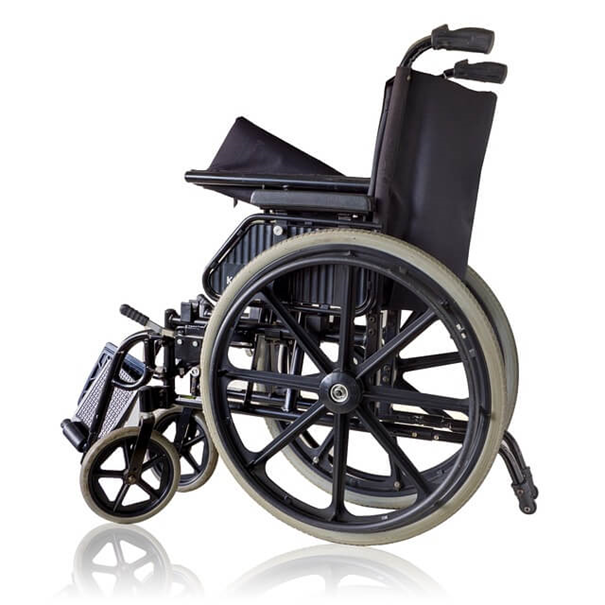
To make a bathroom wheelchair accessible you should widen doorways, install grab bars, lower sink/countertop, replace the toilet with an accessible model, create a roll-in shower, ensure non-slip flooring, and provide clear floor space.
For many of us, the bathroom serves as a sanctuary. However, for those with mobility impairments, getting around in this space can be tricky.
Therefore, creating a wheelchair-accessible bathroom isn’t just about convenience; it also helps some people enjoy more independence. Whether it’s for personal use, accommodating a family member, or catering to the needs of any guests you might be expecting, transforming your bathroom into an accessible one may be a good idea.
In the rest of this post, I’ll take you through how you can make your bathroom wheelchair accessible.
Without further ado, let’s get into it.
Making a bathroom wheelchair accessible can involve several modifications to ensure ease of use and safety for wheelchair users and others with mobility difficulties.
Here are some things to think about and steps you can take.
- Assess the space you have – Figure out the dimensions of your current bathroom so you can decide on what modifications you need to make. Think about things like the space you have to move around, how easy it would be to move a wheelchair in the space, where the fixtures are and the width of the doors.
- Make the doors wider – Make sure your bathroom door is wide enough for your wheelchair. It’s best to allow at least 3ft of width to allow for easy access.
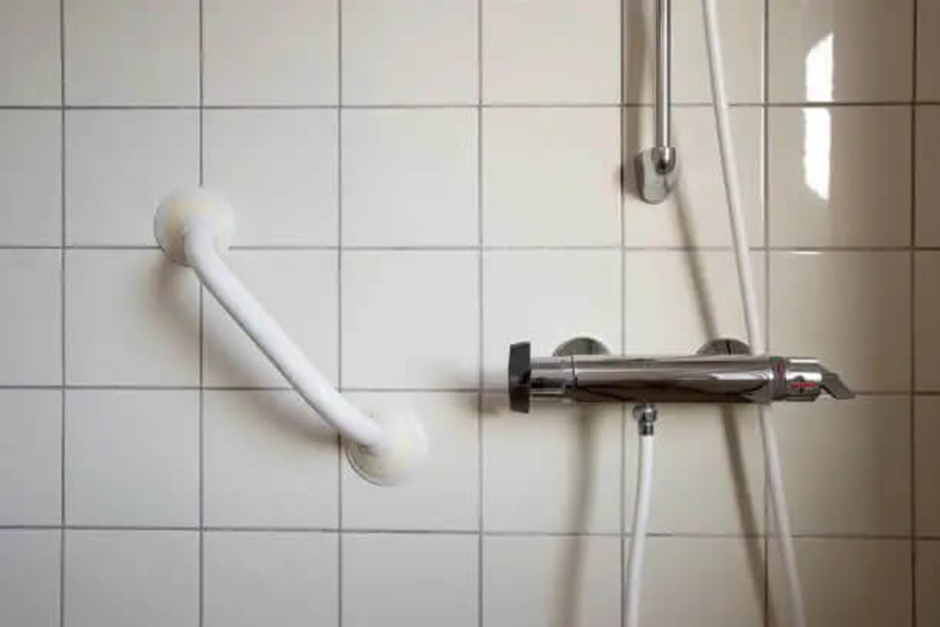
- Put in handrails – Put grab bars near the toilet and shower to help people when they are transferring to and from their wheelchairs. The bars must be securely mounted on the wall at the right height.
- Lower the sink – The sink should be lowered to the appropriate height for the wheelchair user. You may choose to put in a pedestal sink that’s mounted on the wall, so as to allow you to get a wheelchair underneath.
- Add a raised toilet seat if necessary – This is to make it easier for wheelchair users to transfer to and from the toilet. You can get a wheelchair-accessible model too if that better suits your needs.
- Install a roll–in shower – Adapt the space inside the bathroom, so the shower has no step into it, and no threshold, so you can get in and out easily. Add a grab rail here, and make sure there is the option to use a handheld showerhead.
- Ensure you have non-slip flooring – Having non-slip flooring in the bathroom will help minimize the risk of accident, especially when the shower area is wet.
- Make sure you include some accessible storage – Storage areas within the bathrooms should be easy to reach from a wheelchair. Having pull-out drawers that you can reach while seated might be a good idea.
- Make sure wheelchair users can reach the light switch(s) – Obviously, if you’re in a wheelchair you’ll need to operate the light switch while sitting. If you want a high-tech, very convenient bathroom, you could think about installing motion-activated lights.
- Keep the floor clear – This is important because there must be enough space for you to easily move a wheelchair around.
By following these steps and keeping in mind the needs of whoever will be using the bathroom, you can create a fantastic wheelchair-accessible bathroom.
How much room do you need around a toilet for a wheelchair?
You should aim for a minimum of 60 inches of clearance in front of the toilet and 36 inches of clearance on each side. This makes it easier to transfer to and from a wheelchair.
What is the best toilet for people with reduced mobility?
The best toilet for those with limited mobility is typically a toilet with features like grab bars and a slow-closing seat to minimize the risk of accidents. You can even buy a toilet seat that has a higher weight limit, and some may even have customizable features such as adjustable seat heights and bidet functions, catering to personal needs and preferences. It’s important to choose a toilet that meets the specific requirements and comfort levels of the user. Consulting an occupational therapist may also provide valuable insights on the most suitable option to choose.
What showers are suitable for wheelchair users?
Showers suitable for wheelchair users include roll-in showers with no curb or threshold, allowing easy entry and exit for wheelchairs. These showers often feature grab bars for stability, a handheld showerhead for convenience, and adjustable shower benches or seats. The shower controls should be reachable from a seated position, and non-slip flooring is crucial.
How do you make a wheelchair-accessible shower?
To ensure a shower is wheelchair accessible, you should:
- Get rid of barriers – Eliminate any curb or threshold at the entrance to create a seamless entry for wheelchairs. This ensures easy roll-in access.
- Add grab bars – Install grab bars on the walls of the shower area, making sure they are secure. This will make it easier and safer for wheelchair users to transfer in and out of the shower and can also help them while in the shower.
- Get a showerhead you can adjust – A handheld showerhead on a sliding bar lets people adjust the height and angle as they like, making it easier to use.
- Buy a shower seat – Make sure the shower seat is sturdy and can support the weight of whoever’s using it.
- Non-Slip flooring – Use non-slip flooring to make accidents less likely. Textured tiles or non-slip mats can help too.
- Make sure people can reach the controls of the shower – You might want to think about using lever style controls to make it easier to use.
- You can put in a shower curtain – This will stop water from escaping the shower area keeping the area around it drier and thus making it less likely that accidents will happen.
Added to this, you should ensure there’s enough floor space in and around the shower to move around with ease, and that the bathroom and shower is well lit. That will make sure wheelchair users can use the bathroom in comfort and safety.
Next, I’ll discuss how you can make it possible for wheelchair users and others with mobility difficulties to enjoy a nice long soak in the bath.
Can I make my bathtub accessible?
Yes, you can make a bathtub accessible by removing the tub and installing a walk-in bath in its place.
A walk-in bath is a bathtub with a watertight door that lets you enter without having to climb into the tub. When you shut the door, it fills with water and they can bathe. When finished, the water drains, and you can get out safely.
The main types of walk-in baths available are:
- Full-length baths.
- One with front or side opening doors.
- Outward or inward opening doors.
Walk-in baths offer greater comfort and safety and lets you have a good, peaceful experience, regardless of your level of mobility. The downside is they cost more than normal bathtubs, they can be a pain if not properly installed, and they do use more water than normal tubs, but of course, this does depend on the size.
Accessories can include spa functions like whirlpool jets, a heated backrest, fast drainage and a wide seat.
If you think this would be just the thing for your accessible bathroom, you can explore the many and varied options available, it may just make bathing an extra luxurious experience for you.
Summary: How to make a bathroom wheelchair accessible
Creating a wheelchair-accessible bathroom is not just about modifying a room, it’s about promoting independence for everyone, regardless of ability. By following some of the steps I’ve given in this post — like putting in grab bars and installing a roll-in shower — you can transform a standard bathroom into an accessible one that everyone can use.
Together, we can work towards a world where every space, including bathrooms, is accessible for all.