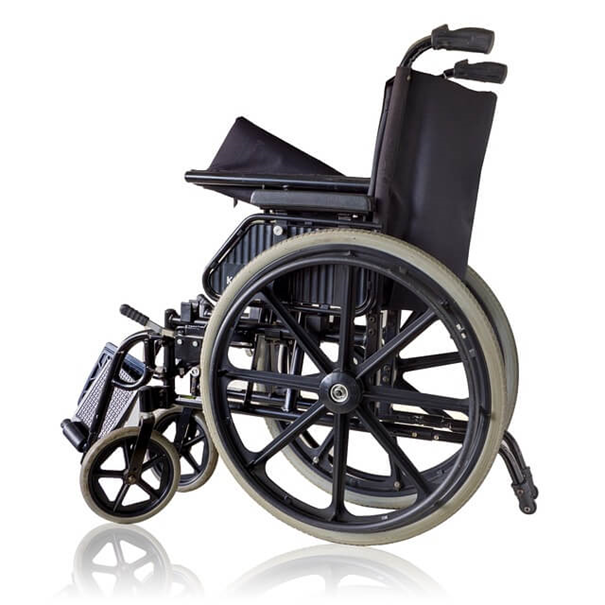
The Louvre Museum in Paris is wheelchair accessible, with ramps, elevators, and things in place to make visits easier and more enjoyable for disabled people.
Are you interested in visiting the Louvre to imbibe some art and culture in this beautiful museum? Do you worry about how accessible it will be for wheelchair users? Well, you’re in luck. Today, I’ll tackle the question ‘Is the Louvre wheelchair accessible?’ and find out what you need to know before you go for a visit. I’ll also explore how accessible some of the other most popular tourist attractions in and around Paris are. Whether you’re a history buff, an art lover, or a curious traveler, let’s discover how the Louvre does its best to ensure disabled people feel included.
Is the Louvre accessible?
Yes, the Louvre Museum is wheelchair accessible. The museum has tried to improve accessibility for visitors with disabilities. There are ramps, elevators, and other facilities to make it easier for wheelchair users to get around the museum. Additionally, there are services and resources available for visitors with special needs.
Nevertheless, it’s always a good idea to check with the museum directly or visit their website for the most up-to-date accessibility information and to find out about any specific things that might be in place to help disabled people enjoy their visit. Museums and other tourist attractions often update what they offer visitors, so it’s always worth investigating before you go, even if you’ve visited before.
Are there elevators at the Louvre?
Yes, the Louvre Museum in Paris has elevators to facilitate accessibility for visitors, including those with mobility challenges and those in wheelchairs. These elevators (or lifts) are strategically located to provide access to different parts of the museum.
Next, let’s find out if you can see the best parts of the Louvre in just an hour and a half.
Is an hour and a half enough in the Louvre?
An hour and a half is quite a limited amount of time for exploring the Louvre, considering its size and extensive art collection. The Louvre is one of the world’s largest museums, and many visitors spend several hours or even a full day exploring the exhibits. If you don’t have much time, it’s best to plan, prioritize the specific artworks or sections you want to see, and make the most of your visit. Keep in mind that the Louvre’s highlights, like the Mona Lisa, may attract crowds, so if you want to make the most of your time, be sure to plan.
Now it’s time to explore how disabled-friendly Paris itself is before I go on to discover more about the accessibility of other attractions.

How disabled-friendly is Paris?
As with Rome, in my piece entitled ‘Is the Vatican wheelchair accessible?’, Paris has made efforts to become more disabled-friendly in recent years. However, the degree of accessibility can vary across different areas of the city. Here are some of the things you should consider if you’re a wheelchair user visiting Paris.
- Public transport – Many metro stations in Paris have elevators, making the subway (underground) more accessible. Buses and trams are also usually accessible, with low floors and ramps.
- Landmarks and museums – Major tourist attractions including the Eiffel Tower, the Louvre, and Notre-Dame Cathedral have made efforts to improve accessibility. Ramps, elevators, and other facilities are in place so disabled people can enjoy them.
- Sidewalks (pavements) and streets – Some areas may have cobblestone streets, which can be difficult for wheelchair users. Other areas will have sidewalks that are easier to use.
- Restaurants and shops – Many restaurants and shops in central Paris are becoming more accessible, but it’s a good idea to check in advance with the particular restaurants and outlets you may want to visit.
- Hotels – Some hotels in Paris offer accessible rooms with features like wider doorways and roll-in showers for disabled people or those with mobility problems. Always get in touch with hotels and let them know about your specific needs before you book.
- Information centers – Paris has information centers and services for tourists with disabilities. They can give you information about accessible attractions, transportation, and services if needed.
While progress has been made, it’s still always a good idea to plan and contact specific venues or services directly to ask about their accessibility.
Is the Versailles Palace wheelchair accessible?
Yes, the Palace of Versailles is wheelchair accessible. The palace endeavours to provide accessibility for disabled people. There are ramps and elevators to help people get around, and the palace grounds are fairly accessible to wheelchairs.
You should keep in mind that the site may present some challenges in certain areas because it’s historical. It’s best to check with the palace directly or visit their official website for the latest information on accessibility and any specific facilities or aids they may offer. Museums and historical sites often update their facilities and services, so it’s good to get the latest information.
Is the Eiffel Tower wheelchair accessible?
Yes, the Eiffel Tower is wheelchair accessible. The monument has been equipped with ramps and elevators to allow wheelchair users access. The elevators can take you to different levels of the tower, giving you panoramic views of Paris. There are also accessible facilities and services to ensure disabled people can have enjoyable, comfortable visits.
I would check the official website or contact the Eiffel Tower directly for the latest information on accessibility because popular sites often change what they offer.
Before I wrap things up, let’s find out if the Moulin Rouge is suitable for wheelchair users.
Is the Moulin Rouge wheelchair accessible?
The Moulin Rouge in Paris is wheelchair accessible. The venue has made efforts to provide accessibility for visitors with disabilities, and staff members are generally available to help out which goes a long way towards ensuring that everyone can have an enjoyable visit, regardless of how mobile they are.
As with the venues I’ve already talked about, get in touch with the Moulin Rouge directly or visit their official website for the most up-to-date information about accessibility.
Summary: Is the Louvre wheelchair accessible?
I’ve discovered the answer to the question, “Is the Louvre wheelchair accessible?” is a resounding yes, itself a testament to the museum’s commitment making sure all visitors are included.
The Louvre stands not only as a repository of historical treasures but also as a symbol of embracing diversity in the pursuit of cultural appreciation. Whether you’re strolling through the Grand Gallery or marveling at the Mona Lisa, the Louvre’s dedication to accessibility ensures that every visitor, regardless of mobility, can appreciate the beauty of the exhibits.
Art is for everyone, and at the Louvre, accessibility is not just a feature; it’s a bridge connecting us all to the wonders within.
Why not start planning a visit now?