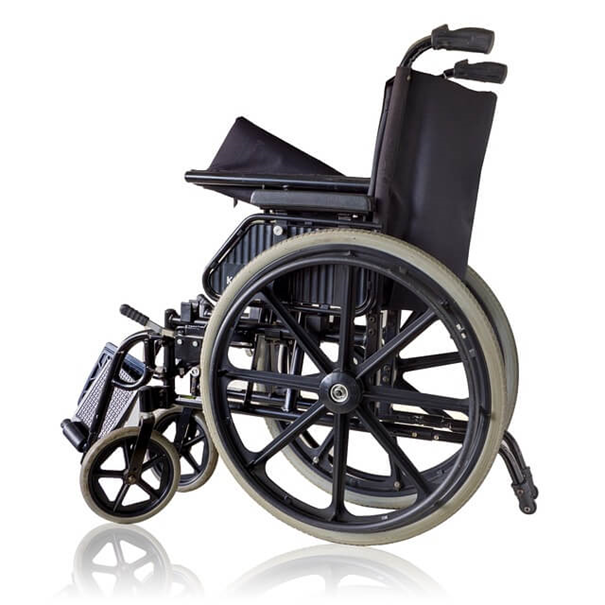
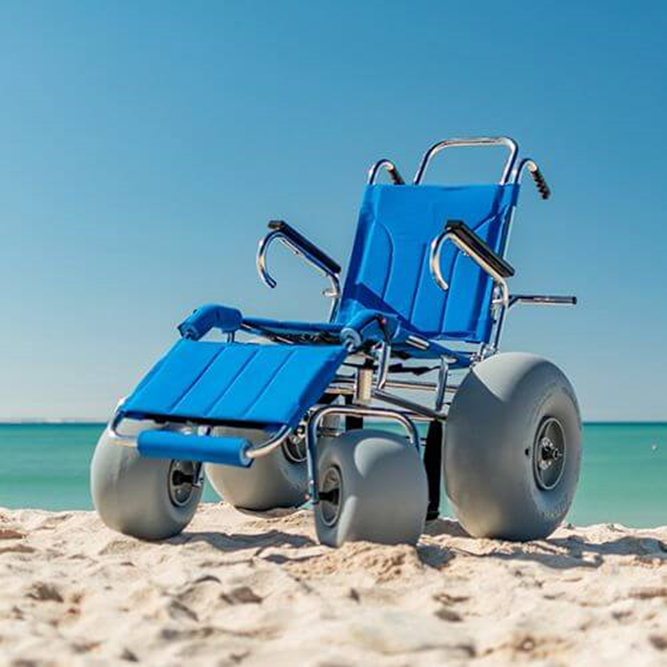
Viking River Cruises offers a level of wheelchair accessibility on certain ships and routes. However, due to the nature of river cruises and historical port towns, it may be limited. Contact Viking to ask about the trip you’re interested in to ensure it is accessible.
Embarking on a journey down enchanting waterways with Viking River Cruises gives you a chance to see great beauty and discover new things. For those seeking accessible travel, though, the question ‘Are Viking River Cruises wheelchair accessible?’ soon arises. In this post, I’ll find out more about river cruising, particularly the accessibility of such cruises. Join me to discover how Viking has tried to provide enriching, enjoyable voyages for all.
Are river cruises suitable for wheelchair users?
For people who are dependent on a wheelchair all the time, river cruising may not be suitable. You may choose instead to investigate ocean cruising if you can’t get out of your wheelchair at all because you would probably be better catered for there. However, for those who have some difficulty walking and may use a wheelchair or another mobility aid for assistance, a river cruise is entirely possible, just be sure to plan your trip carefully and beware of the drawbacks.
Let’s highlight some of those disadvantages now.
What are the drawbacks of a river cruise?
Some of the potential pitfalls include:
- Stairs – Can you manage a small flight of stairs with help? If so, you should be ok with a trip on this kind of vessel. It’s important that you be able to take a few steps as most of the vessels used for river cruises typically have elevators or lifts that only serve some levels. River cruise ships must be quite low so they can pass under bridges, and thus you can usually only get to the sun deck via stairs. Some of the new Uniworld ships have a chair lift to take you up to the top deck, but this is exceedingly rare.
- Gangplanks – The walkways on ships of this kind are different from those on a traditional cruise ship. They’re narrow and don’t always have a handrail – it’s often just a rope. You might be able to board the ship on different decks, though this depends on the water level. The gangplank, therefore, may slope downwards or upwards towards the ship. Ships are sometimes moored beside each other. Passengers must sometimes use the gangplanks that link the ships together to board the right ship.
- Size of cabins – The cabins are usually small, so the number of accessible cabins on offer is very limited and so sell quickly. If you need one, try to book as early as you can.
- Storage for wheelchairs and other mobility aids – You can’t fit a wheelchair in most river cruise ships. Storing chairs, then, can be a worry. Most lines make it clear that any wheelchairs must be foldable so you can put them under the bed in your cabin.
- Help – If you want to go on this kind of cruise, you’ll need to bring a friend who’s willing to help you. Crew members are willing to lend a hand when you get on and off the ship. However, when you need to fold your wheelchair to store it and get it back out, you’ll need someone with you to help.
- Excursions – Some companies say that slower tours are available when they go on shore excursions. Remember, you’ll be wasting money if you can’t join any excursions because you often pay for them in the price of your ticket or booking. A good option for someone who doesn’t want to take any excursions is a CroisiEurope or Amadeus river cruise.
- Ports – Many important towns and cities are located on the banks of Europe’s rivers, so attractions are usually very close by, with no need to get a bus or taxi and so disabled people can access those sites. You’ll have to contend with cobbled streets and high curbs if you’re in Europe, but with a bit of help, you’ll most likely be able to manage.
- Itineraries – One of the best parts of this type of holiday is admiring the scenery while passing by. It would be wise to choose an itinerary that has lots of sailing time and fewer days in port if you like doing this. The Rhine and the Danube are great for that. You might even see some fabulous UNESCO-listed scenery which are great for first-time river cruisers.
River cruises can vary in their suitability for wheelchair users. Some river cruise lines and vessels are more accessible than others. While river cruises may present challenges due to historical port towns and narrow docking areas, many cruise companies are working hard to improve accessibility for passengers with physical disabilities.
You should research specific cruise lines, ships, and itineraries to figure out how accessible they are. Consider cabin layout, the accessibility of common areas, if there are any elevators, and the assistance provided by staff. Remember, some river cruise companies offer specific accessible cabins and facilities for wheelchair users.
Before booking, it’s a good idea to contact the cruise line you intend to travel with directly to ask about their accessibility and discuss any specific needs you have. This way, you can make an informed decision about whether that river cruise is suitable for you and your party.
Do Viking River cruise ships have lifts?
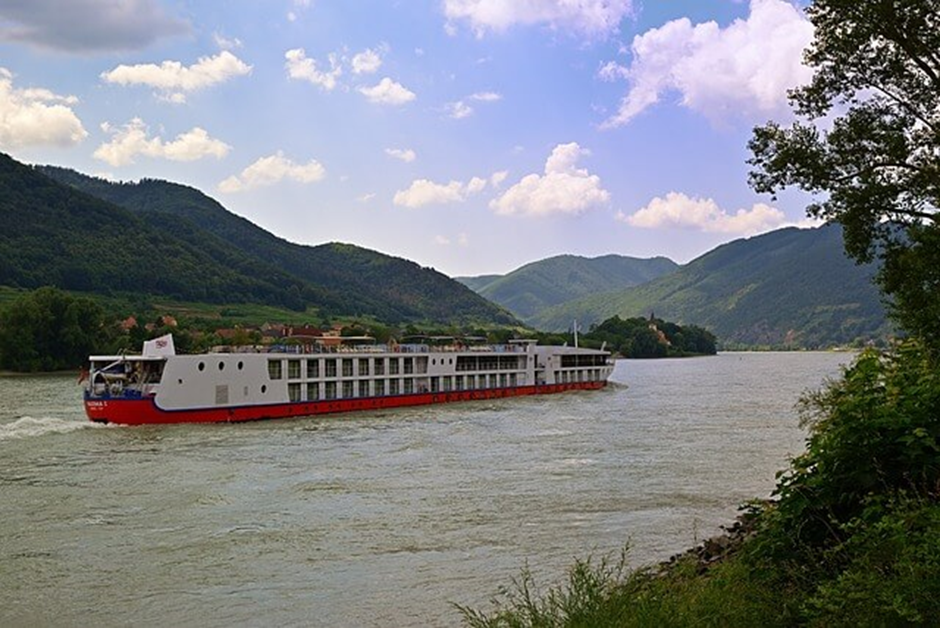
Yes, most Viking River Cruise ships do have elevators on board. However, they may only service part of the ship. They will not go to the lowest deck, and often will not go to the sun or top deck.
As each ship has its own design, you’ll want to speak with a cruise consultant to find out which ships will accommodate your needs. For instance, many of Viking’s ships have elevators to go between decks, but some don’t.
Any mobility equipment usually must not be more than 22 inches wide.
How do you get a wheelchair on a cruise?
Getting a wheelchair on a cruise involves several steps to ensure a smooth and comfortable experience for passengers. Here’s how you can arrange it.
Contact the cruise line – Reach out to the cruise line directly, either by phone or through their website, to tell them of your needs and ask for a wheelchair. Their customer service team can guide you through the process.
Tell them what you need – Tell them of your specific requirements, for instance, whether you need a wheelchair for the duration of the cruise, whether you’ll bring your own, or if you need assistance with boarding and disembarking the ship.
Accessible cabin – If you need an accessible cabin, ask about the availability of such cabins on the ship. Accessible cabins typically have wider doorways, adapted bathrooms, and other features.
Boarding assistance – Discuss boarding assistance with the cruise line. They can arrange for ramps, lifts, or other means to help you easily board the ship.
Talk to the staff – Upon boarding, talk to the ship’s staff about your mobility needs. They can provide guidance on getting around when onboard.
Shore excursions – If you plan to get involved in shore excursions, ask about their accessibility and whether they can accommodate wheelchairs. Some cruise lines offer accessible excursions for disabled passengers.
Cruise documents – Make sure your cruise documents and reservation inform people of your mobility needs. This ensures staff are aware of your requirements and can help where needed.
Use your own wheelchair – If you have your own wheelchair, you can bring it on board. Make sure it meets the cruise line’s guidelines regarding weight and dimensions.
Renting a wheelchair – Some cruise lines offer wheelchair rental services. If you’d prefer not to bring your own wheelchair, ask if there’s one you can rent.
Cruise line policies – Make yourself familiar with the cruise line’s policies regarding wheelchair use and accessibility to ensure you can have a seamless experience.
By making people aware of your needs in good time and working with the cruise line, you can help make sure you have an enjoyable experience that’s tailored to your needs.
Do cruise ships have mobility scooters?
Many cruise ships have mobility scooters you can rent. Mobility scooters can give passengers with mobility issues more independence.
Here’s what you need to know about mobility scooters on cruise ships.
- Cruise lines often partner with other companies to provide scooter rental services. These companies offer a variety of mobility scooters so that everyone can find a scooter that’s right for them.
- It’s best to reserve a mobility scooter before your travel date wherever possible – ideally during the booking process — because this allows time for the cruise line to make all necessary arrangements.
- There are different types of scooters available, from standard scooters to models designed for use outdoors.
- Mobility scooters typically come with chargers and lots of cruise ship cabins have electrical outlets for charging. Scooters are designed so that you can move freely in common areas, accessible cabins, and elevators (lifts).
- Cruise lines usually have guidelines about the dimensions and weight of mobility scooters to make sure you can get around the ship and cabins without difficulty.
- Costs will vary depending on the cruise line and the length of the cruise you embark on.
- Many cruise ship ports offer accessibility for mobility scooters, but even so, it’s a good idea to research the accessibility of your chosen shore excursions before you go. If you’re not confident using a scooter, cruise staff may be able to provide you with basic training.
If you need to hire or rent a mobility scooter, get in touch with the cruise line or visit their website to explore your options. Bear in mind that services and policies can differ across different cruise lines, so carefully go through all the details before you book, to ensure you plan the perfect cruise for you and your party.
Summary: Are Viking River Cruises wheelchair accessible?
When planning some time away, ask yourself, “Are Viking River Cruises wheelchair accessible?” After all, when you’re in a wheelchair, accessibility takes center stage. One thing’s for sure, Viking River Cruises tries to make its voyages welcoming and accessible to as many people as possible. Though there are still things to work on, there’s an evident commitment to improvement. It’s a testament to the ever-changing landscape of accessible travel. Through good planning and communication, passengers with limited mobility can enjoy an enchanting journey with Viking River Cruises.
Those of us who are dependent on a wheelchair full-time can explore the possibilities on offer on an ocean cruise, which may prove more suitable.